AUX File Recordings AUX File Recordings · Sacramento
Contact
Hands filing tapes and index cards into a steel cabinet in daylight

Publishing — Sacramento

One ruled file for every master and right

Music publishing protects and administers the song behind a recording. AUX File Recordings keeps the song and the recording tracked together, so releases, royalty reports and licensing replies refer to the same titles and shares.

Music publishing services for songwriters and catalog owners — registration, royalty collection and licensing readiness in one place.

Master tape and index card held in hands in the file room

The song, not just the recording

What a music publisher does

A publisher administers the composition — the melody, lyric and structure that can be recorded by more than one artist. The publisher tracks who wrote the song, how shares are divided, and where the song is used.

That work is separate from owning a master recording, even when the same company handles both sides for a release. Keeping the two records aligned is what prevents a credit from being paid to the wrong side.

Song

One composition, many recordings

Writer sharesAgreed splits
Publisher shareTracked separately
UsesLogged per song
RegistrationsKept current
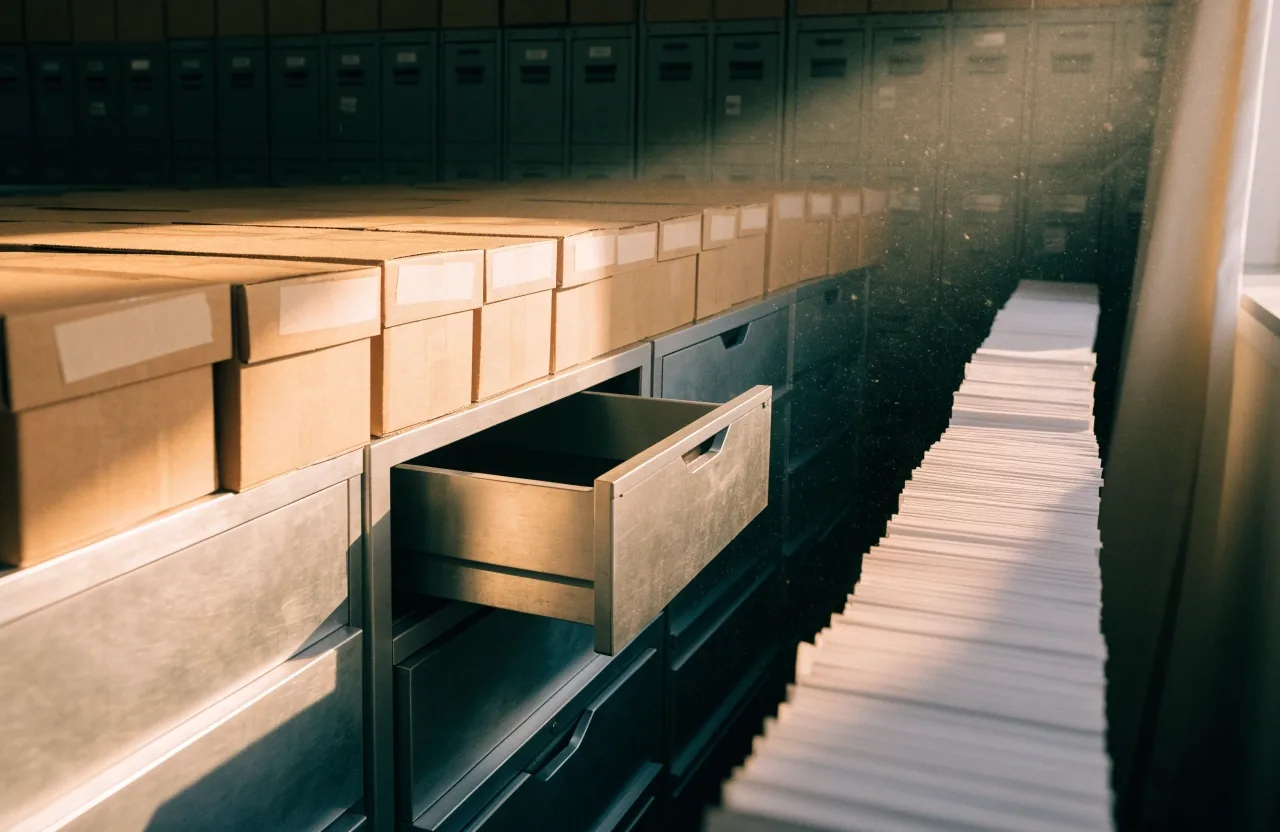
Tape boxes and index cards in a steel drawer

For songwriters

Bring the title, the writers and their agreed shares, plus any existing registrations. With that, the label can advise on registration, royalty collection and licensing readiness without guessing about ownership.

For catalog owners

A catalog is easier to administer, license and value when every song has an accurate record. The same file discipline used for masters applies to the publishing side.

File discipline

Same titles, same shares — across release, royalty report and licensing reply.

Rights administration

Publishing rights administration

Rights administration means keeping the record of a song accurate and available to the systems that pay royalties. It includes writer and publisher shares, work titles, and identifying codes such as the ISWC.

Downtown Music Holdings, based in New York, is known for publishing administration and rights services, and it represents the shift toward end-to-end rights infrastructure behind the artist-facing brand. The lesson for independent catalogs is that administration is infrastructure, not an afterthought.

If a song is registered in the right place, with the right splits, it is far more likely to be found — and paid — when it is used.

Which royalty is which

Mechanical, performance and sync

Sync readiness

Sync licensing pathways

A sync inquiry should state the project, the media, the term, and the territory. Clear records for each use let a publisher answer quickly and quote with confidence.

Long-lived songs

Catalog acquisition and legacy songs

Primary Wave, based in New York, is known for acquiring and managing established catalogs and for the modern catalog-investment market. Peermusic, founded in 1928 and based in Berkeley, California in many industry listings, shows the older side of the same business, with a long catalog history and a global publishing footprint.

Together those examples explain why legacy songs are treated as assets, and why their documentation matters to buyers as well as to writers. A song with clean splits and registrations is easier to license, administer and value years later.

Project
What it is
Media
Film, TV, ads, games
Term
How long
Territory
Where it runs

Primary Wave

New York-based catalog acquirer and manager — the modern investment side of publishing.

Peermusic

Founded in 1928, Berkeley, California in many listings — a long catalog history.

Royalty file and master tape on a steel desk

Keeping both sides aligned

Keeping publishing and master records aligned

A song can appear on many recordings, and a recording can contain many songs. Keeping the publishing record aligned with the master record prevents a credit from being paid to the wrong side.

AUX File Recordings uses the same catalog discipline for both, so a release, a royalty report, and a licensing response all refer to the same titles and shares.

Master tapes and cards arranged on a desk for rights work

Sacramento office

Start with one ruled file

Send the title, writers and shares for a song — or a catalog — and the label will talk through registration, royalty collection and licensing readiness. If you want the broader picture first, read about rights and royalties.

Office file

Address
1401 21st St, Ste R, Sacramento, CA 95811
Phone
+1 (916) 564-0759
Hours
Monday to Friday, 9:00 AM to 6:00 PM

Visits by appointment — use the contact page to arrange a meeting or a rights review.