AUX File Recordings AUX File Recordings · Sacramento
Contact
Hands filing master tapes and index cards into a steel cabinet in daylight

FAQ — AUX File Recordings

Answers about submitting music and managing rights

One ruled file for every master and right. This page answers the questions artists and visitors ask most often about submissions, distribution timelines, rights splits, and how to contact the label.

The answers are short on purpose, and each one points to the fuller page where the topic is explained in detail.

Start with the basics

What the file covers

Each answer names the fuller page where that topic is explained in detail.

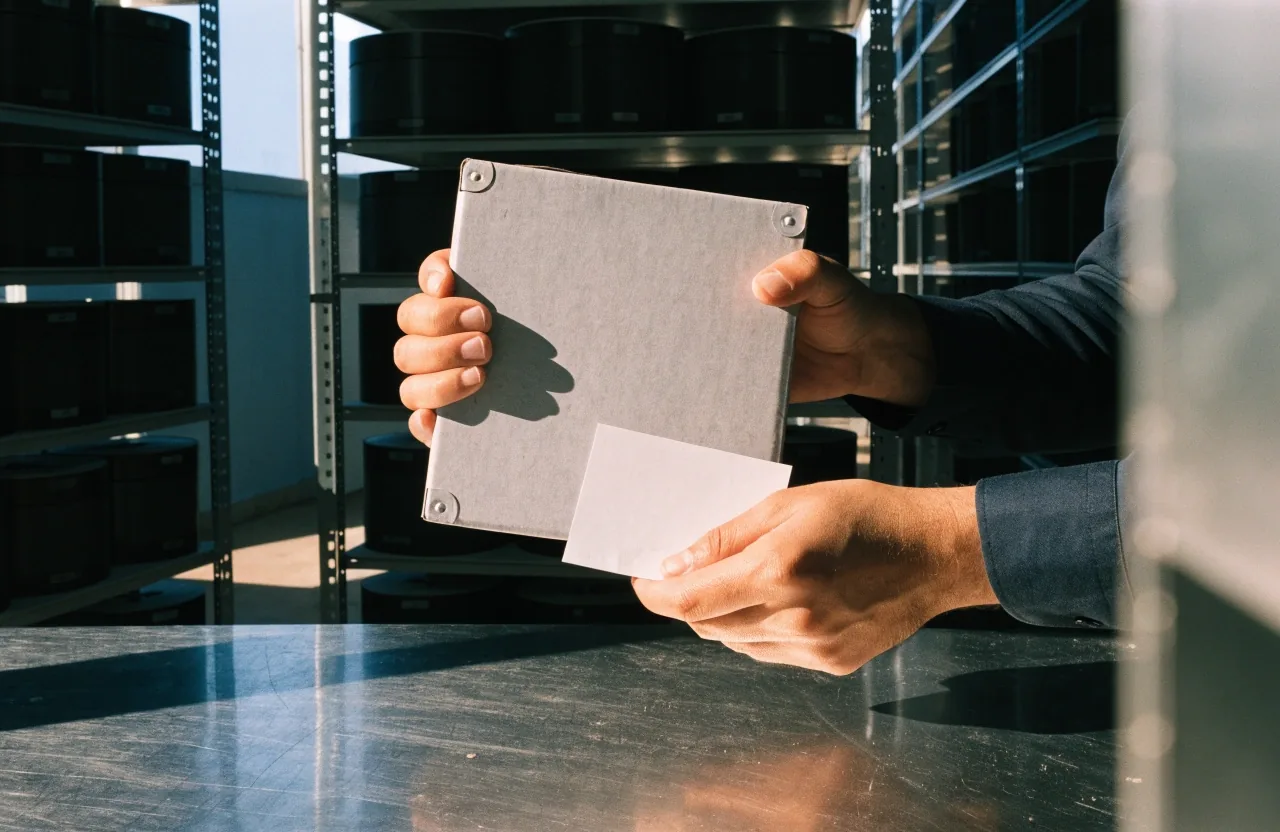
Master tape box and index cards held in hands on the file-room bench

What is the difference between distribution and publishing?

Distribution delivers a recording to streaming and download platforms. Publishing administers the song behind that recording, including writer splits, registrations, and royalty collection for the composition. A single release can need both, because the master and the song are separate rights.

Read the distribution page →
How do artists get paid from streaming, downloads, and sync?

Streaming and download income follows the ownership record attached to the recording and the song. Sync licensing is negotiated for a specific use, such as a film or advertisement, and paid under that license. Performance and mechanical royalties follow separate collection routes, including PROs and the Mechanical Licensing Collective. A clear catalog record is what lets each system pay the right party.

See how royalties are handled →
What does a label services company do that a distributor does not?

A distributor focuses on delivery to platforms. A label services company adds catalog record keeping, release preparation, publishing coordination, and reporting around that delivery. AUX File Recordings combines delivery with sales and publishing, so a correction to a credit or split can be applied across the catalog.

How the services fit together →

Choosing a route

Self-serve or full service?

Self-serve platforms suit artists who want to manage delivery, metadata, and corrections themselves. TuneCore is known for that model, placing releases on major streaming and download services. A full-service partner suits artists who want those tasks handled and documented by a label. The choice depends on time, experience, and how complex the catalog is.

Tape boxes and index cards filed in a steel drawer
Should an independent artist use a self-serve distributor or a full-service partner?+

If you have time to manage delivery, metadata, and corrections and your catalog is small, a self-serve route can work. If credits, splits, and registrations need checking across many releases, a full-service partner keeps that record in one place. Neither choice changes who owns your master or your song — it changes who does the paperwork.


Royalty collection

Who collects, and why registrations must match

Royalty file cards and a master tape on a steel desk

Performance and mechanical royalties travel on separate routes. Both depend on the same registrations.

Submitting and timing

How to submit music, and how long delivery takes

How do I submit music or ask about licensing?+

Use the contact page and include the recording or song title, the credited artist, and what you are asking for. For distribution, include release timing and master ownership. For licensing, include the project type, territory, and term. That information lets the label check the catalog record and reply with specifics.

How long does distribution take?+

Timing depends on the completeness of the release package and the processing time of each platform. A package with confirmed credits, codes, and cover art can be scheduled more quickly than one still missing ownership or split information. The distribution page explains how to prepare a package so it does not stall.