

Distribution — Sacramento file room
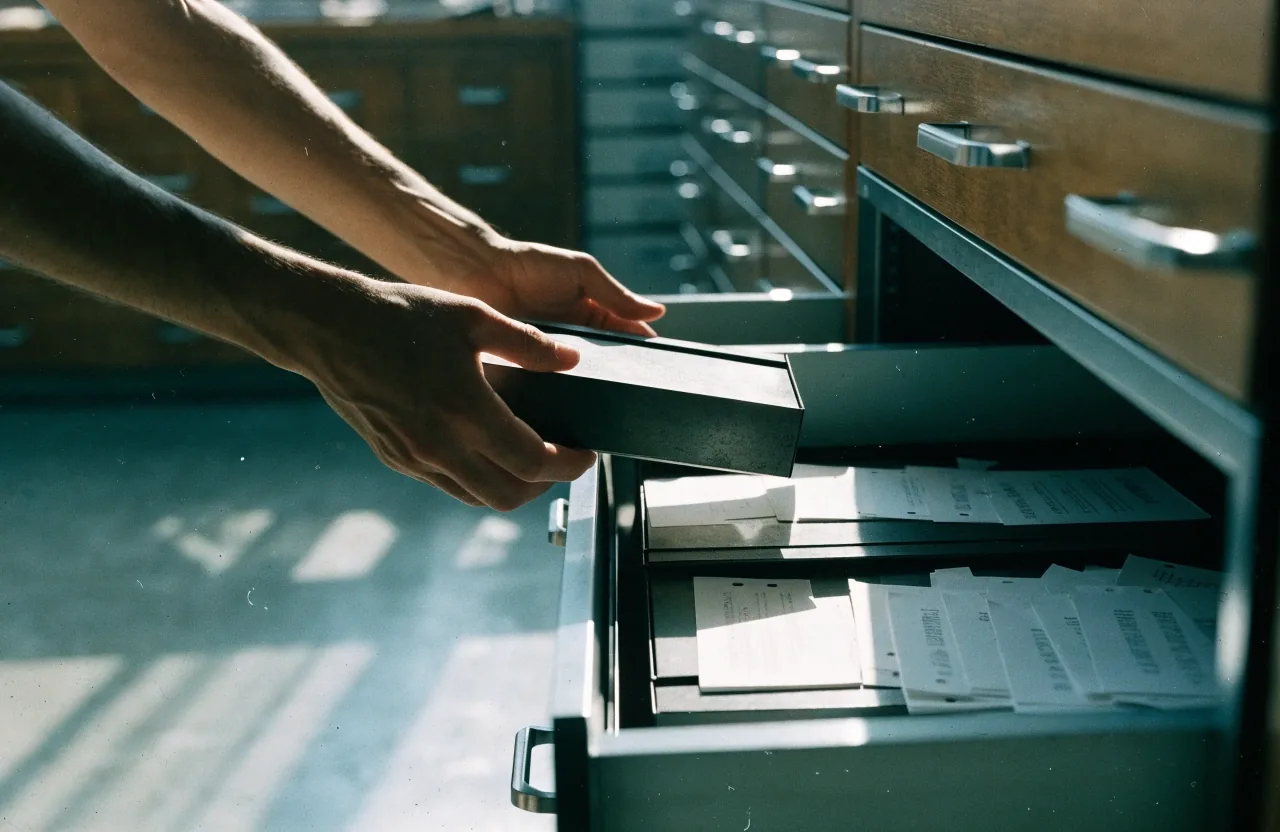
One ruled file for every master and right
A finished recording reaches streaming and download platforms through a checked package — audio, art, credits, codes, territory and timing — assembled before it is sent, not after it goes live.
See what delivery includes
The package, checked before sending
Digital music distribution built on accurate metadata
Digital music distribution is how a finished recording reaches streaming and download platforms. The technical delivery is only part of the work. The label also prepares the data that tells each platform what the recording is, who made it, who owns it, and where it may be released. When that data is right, the recording can be found, credited, and paid for correctly after it goes live.
What distribution actually delivers
1
A distribution package includes the audio file, cover art, track title, artist name, genre, release date, and territory information. It also includes codes and ownership details that platforms use to identify the recording.
AUX File Recordings assembles and checks that package before sending it to delivery channels, rather than treating upload as a single button press.
- AudioChecked file
- ArtFinal cover
- GenrePlatform tag
- OwnershipMaster details


Metadata delivery
Why metadata matters
Metadata is the text and codes attached to a recording. Listeners find music through text as much as through sound — a name, a title, a date — so the words around the audio decide whether it can be found at all.
Metadata delivery and why it matters
A misspelled artist name or a wrong release date can split a catalog across search results and delay royalty matching. Experienced users check metadata the way they check audio quality, because a small error travels with the recording everywhere it is delivered.
The label treats metadata delivery as part of the release, not as paperwork after it. Titles, credits and dates are confirmed against the audio and the cover art before the package leaves the office, so corrections start from the catalog record rather than from a platform error.
- Artist nameSpelling checked
- Track titleSame on audio, art and form
- Release dateConfirmed before scheduling
Recording identity
ISRC codes and recording identity
An ISRC identifies a specific recording. Each track needs its own code, and the code should stay with that recording across platforms and reissues. Reusing a code for a different recording, or changing it without reason, creates confusion in reports. The label documents which ISRC belongs to which recording so catalog records stay aligned.

The desk where codes and credits are matched
Two ways to deliver
Self-serve platforms and full-service label support
Self-serve delivery
TuneCore is a long-running self-serve platform known for placing releases on major streaming and download services, and it operates as part of Believe's global music services ecosystem. That model suits artists who want to manage delivery themselves — the upload, the metadata and the corrections stay with the artist.
It works best when the artist has time to check every field and follow up on platform messages, and when the catalog is small enough to keep in mind.
Full-service label support
A full-service label adds catalog record keeping, publishing coordination, and a contact for corrections. AUX File Recordings checks the package, confirms the codes and credits, and sends the release through its delivery channels — then monitors that the release appears with the correct information.
If a platform shows an error, the correction is made against the catalog record, so the same fix does not have to be repeated elsewhere. The right choice depends on how much of that work an artist wants to carry.
Analytics and royalty tools
Symphonic Distribution, founded in Tampa, Florida in 2006, is associated with analytics, rights management, and platform delivery for independent artists and labels. UnitedMasters, founded by Steve Stoute, targets independent artists with distribution, marketing, and audience tools, and it is known for helping artists keep ownership of master recordings.
Those examples show why labels now expect reporting and rights tools to sit beside delivery, rather than arriving months later. When a recording goes live, the artist should already know where reports will land and who owns what.
Beginner mistakes in distribution
- Sending before credits are settled. Ownership and featured artists should be agreed before the package is built, not negotiated after release.
- A working title on the audio and art. If the delivery form carries a different title, search and royalty matching split the catalog.
- A release date with no processing room. Platforms need lead time; a date chosen before the package is ready invites errors.
Each mistake is easy to fix before delivery and slow to fix after a track is live — which is why the label asks for credits, titles and dates early.
How the label handles delivery
Checked, coded, delivered
AUX File Recordings checks the package, confirms the codes and credits, and sends the release through its delivery channels. After delivery, the label monitors that the release appears with the correct information. If a platform shows an error, the correction is made against the catalog record, so the same fix does not have to be repeated elsewhere.
Bring the finished audio, final art, confirmed credits and a realistic date, and the file can be prepared properly from the start.
Sacramento office
- Address1401 21st St, Ste R, Sacramento, CA 95811
- Email[email protected]
- Phone+1 (916) 564-0759
- HoursMonday to Friday, 9:00 AM to 6:00 PM